
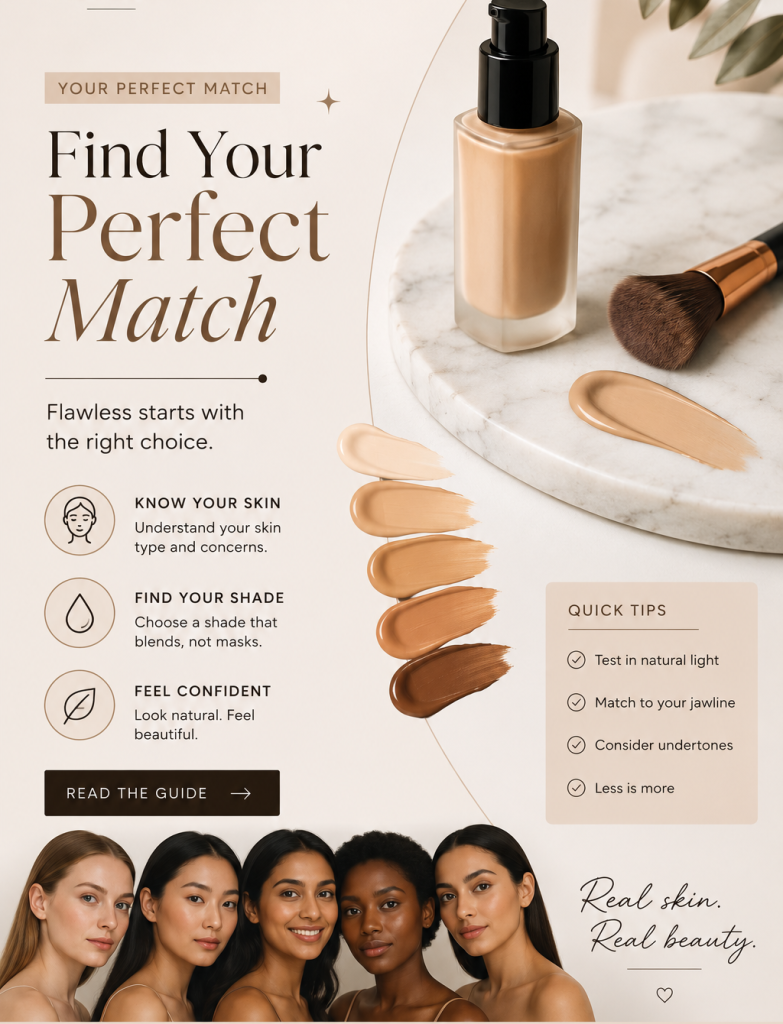
Foundation is one of the most important products in any makeup routine. It creates an even-looking base, helps enhance your natural complexion, and allows the rest of your makeup to blend more smoothly. However, choosing the right foundation can feel confusing, especially with so many formulas, finishes, and shades available.
A foundation that doesn’t match your skin type or skin tone may look too light, too dark, too oily, or too dry. The right choice, on the other hand, blends seamlessly into your skin and gives you a natural, comfortable finish.
In this guide, you’ll learn how to choose the right foundation by understanding your skin type, identifying your undertone, selecting the right finish, and finding a shade that matches your complexion. Whether you’re a beginner or looking to improve your makeup routine, these tips will help you shop with confidence.
Why Choosing the Right Foundation Matters
Foundation does much more than cover imperfections. When you choose the correct formula and shade, it can enhance your natural beauty while providing a smooth and even canvas for the rest of your makeup.
Choosing the right foundation offers several benefits:
- Creates an even-looking complexion.
- Helps makeup last longer.
- Blends naturally with your skin tone.
- Enhances your overall makeup look.
- Feels comfortable throughout the day.
- Supports a polished, professional finish.
Instead of changing your appearance, foundation should help your skin look like its best version.
Step 1: Know Your Skin Type
Oily Skin
If your face becomes shiny within a few hours of washing, especially around your forehead, nose, and chin, you likely have oily skin.
Best Foundation for Oily Skin
Look for foundations labeled:
- Matte finish
- Oil-free
- Long-wear
- Non-comedogenic
These formulas help reduce excess shine and provide longer-lasting coverage.
Dry Skin
Dry skin often feels tight or rough and may show flaky patches.
Best Foundation for Dry Skin
Choose foundations that provide hydration.
Look for:
- Dewy finish
- Hydrating formula
- Cream or liquid foundation
- Ingredients like hyaluronic acid or glycerin
These foundations help your skin appear smoother and more radiant.
Combination Skin
Combination skin has both oily and dry areas. Usually, the T-zone is oily while the cheeks remain normal or dry.
Best Foundation for Combination Skin
Choose:
- Natural finish foundation
- Buildable coverage
- Lightweight liquid foundation
These products help balance different areas of the face without looking heavy.
Sensitive Skin
Sensitive skin may react easily to fragrances or certain ingredients.
Best Foundation for Sensitive Skin
Look for:
- Fragrance-free formulas
- Dermatologist-tested products
- Non-comedogenic foundation
- Lightweight mineral foundations
Always perform a patch test before using a new makeup product.
Step 2: Understand Your Skin Undertone
Many people choose foundation based only on how light or dark it looks. However, your undertone is just as important.
Your skin tone can change slightly throughout the year due to sun exposure, but your undertone usually stays the same.
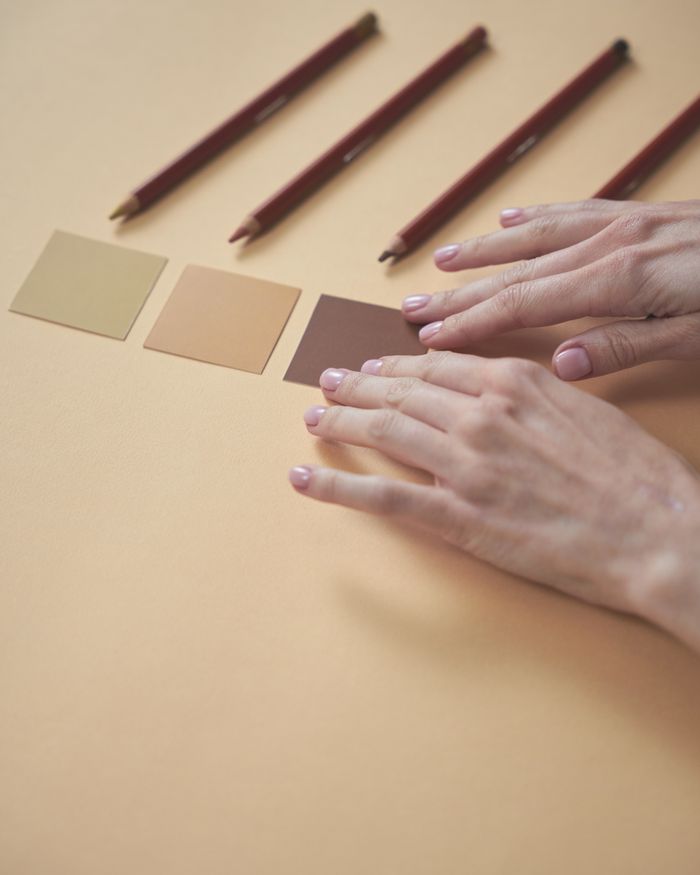
There are three main undertones.
Warm Undertone
People with warm undertones usually have golden, yellow, or peach hues beneath their skin.
Signs include:
- Gold jewelry often looks more flattering.
- Veins may appear greenish.
- Your skin tans easily.
Choose foundation shades labeled:
- Warm
- Golden
- Honey
- Beige with yellow undertones
Cool Undertone
Cool undertones have pink, red, or bluish hues.
Signs include:
- Silver jewelry often looks more flattering.
- Veins appear blue or purple.
- Your skin may burn more easily in the sun.
Choose shades labeled:
- Cool
- Rose
- Ivory Pink
- Neutral Cool
Neutral Undertone
Neutral undertones are a balance of warm and cool tones.
Signs include:
- Both silver and gold jewelry suit you.
- Veins appear both blue and green.
- Many foundation shades blend well.
Choose shades labeled:
- Neutral
- Beige
- Natural
Step 3: Find Your Perfect Foundation Shade
Choosing the right foundation shade is just as important as choosing the right formula. Even a high-quality foundation won’t look natural if the shade doesn’t match your complexion.
Many people test foundation on the back of their hand, but this can lead to an inaccurate match because your hands are often a different color than your face.
Where Should You Test Foundation?
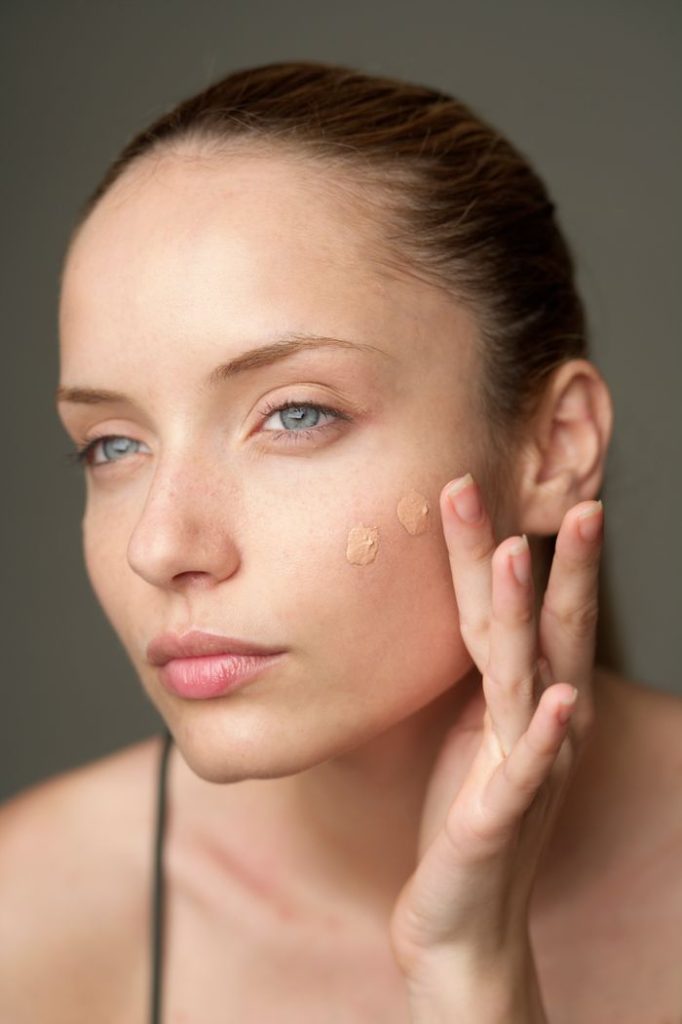
The best place to test foundation is along your jawline. This allows you to compare the shade with both your face and neck. The correct shade should blend into your skin without leaving a noticeable line.
If possible, check the shade in natural daylight. Store lighting can make foundation appear lighter or darker than it really is.
Tips for Finding the Right Shade
- Test two or three shades instead of choosing one immediately.
- Blend the product well before deciding.
- Wait a few minutes, as some foundations oxidize and become slightly darker after application.
- Match your neck as well as your face for a seamless finish.
Taking a few extra minutes to test your shade can make a significant difference in your final makeup look.
Step 4: Choose the Right Foundation Finish
Foundation is available in different finishes, and each one creates a different effect on the skin. Choosing a finish that complements your skin type helps your makeup look more natural.
Matte Finish
A matte foundation controls excess shine and creates a smooth, velvety appearance.
Best For
- Oily skin
- Combination skin
- Hot or humid weather
Benefits
- Controls oil
- Long-lasting wear
- Reduces shine throughout the day
Dewy Finish
Dewy foundations give the skin a fresh, radiant appearance by adding a healthy-looking glow.
Best For
- Dry skin
- Normal skin
- Dull-looking skin
Benefits
- Adds hydration
- Creates a luminous finish
- Makes skin appear fresh
Natural Finish
Natural finish foundations are designed to look like real skin without being overly matte or overly dewy.
Best For
- Combination skin
- Normal skin
- Everyday makeup
Benefits
- Comfortable to wear
- Suitable for most skin types
- Creates a balanced complexion
Satin Finish
A satin finish sits between matte and dewy, offering a soft, healthy-looking glow without excessive shine.
Best For
Professional makeup
Most skin types
Everyday wear
Step 5: Select the Right Coverage
Coverage refers to how much the foundation conceals uneven skin tone, blemishes, or redness.

Light Coverage
Light coverage evens out the complexion while allowing your natural skin to show through.
Best for:
- Everyday makeup
- Beginners
- Natural looks
Medium Coverage
Medium coverage balances a natural appearance with additional coverage.
Best for:
- Office makeup
- Events
- Daily wear
Most people find medium coverage to be the most versatile option.
Full Coverage
Full coverage conceals more noticeable imperfections and creates a polished finish.
Best for:
- Weddings
- Parties
- Photography
- Special occasions
Use full-coverage foundation sparingly and blend well to avoid a heavy appearance.
Step 6: Choose the Right Foundation Formula
Different foundation formulas offer different benefits. Selecting the right one depends on your skin type, makeup style, and personal preference.
Liquid Foundation
Liquid foundation is the most popular option because it works well for many skin types and offers buildable coverage.
Best For
- Beginners
- Daily makeup
- Most skin types
Cream Foundation
Cream foundations are richer and often provide more coverage.
Best For
- Dry skin
- Mature skin
- Evening makeup
Powder Foundation
Powder foundations help reduce shine and are quick to apply.
Best For
- Oily skin
- Touch-ups
- Lightweight makeup
Stick Foundation
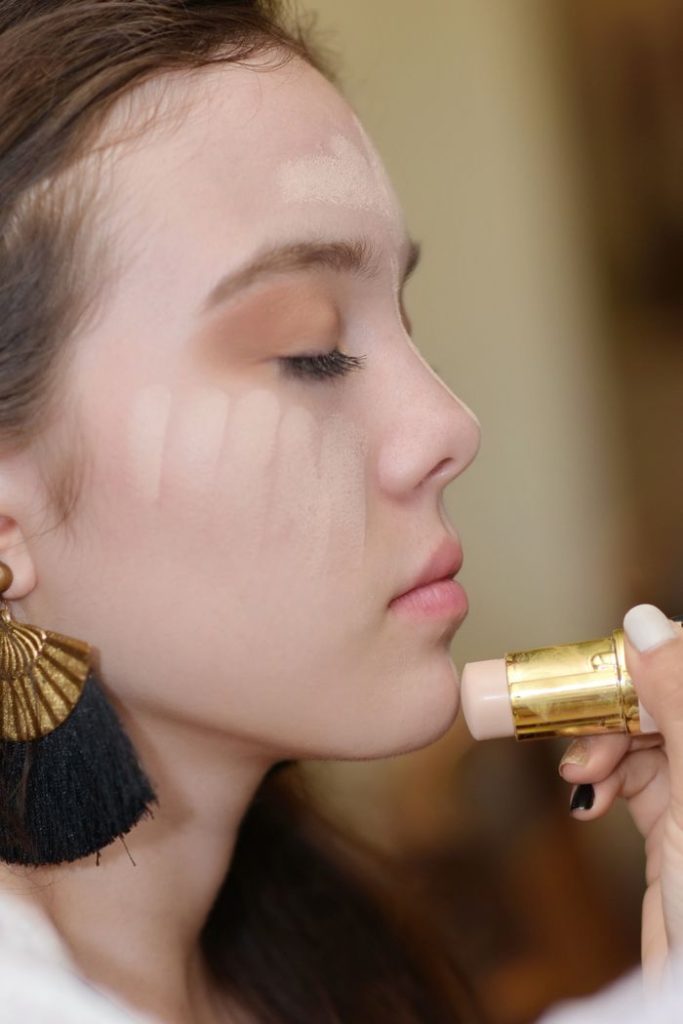
Stick foundations are convenient, portable, and easy to use.
Best For
Spot coverage
Travel
Quick makeup routines
Common Foundation Mistakes to Avoid
Even with the right product, certain habits can affect how your makeup looks.
Applying Too Much Product
Heavy layers of foundation can make makeup appear cakey. Build coverage gradually instead.
Forgetting to Blend
Always blend foundation carefully around the jawline, hairline, ears, and neck to avoid visible lines.
Ignoring Dry Areas
If your skin feels dry, moisturize before applying foundation. Well-hydrated skin usually helps foundation apply more evenly.
Using the Same Shade All Year
Your complexion may change slightly between seasons. Check whether your usual foundation still matches your skin.
Skipping Makeup Brush Cleaning
Dirty brushes and sponges can affect makeup application and transfer makeup residue back onto your skin.
Clean your makeup tools regularly according to the manufacturer’s care instructions.
Expert Makeup Tips for Beginners
If you’re just starting your makeup journey, remember that practice makes progress. Focus on enhancing your natural features rather than trying to achieve perfection.
Some helpful tips include:
- Choose lightweight foundation for everyday wear.
- Blend carefully using gentle motions.
- Apply makeup in natural light whenever possible.
- Build coverage only where needed.
- Remove your makeup completely before bedtime.
- Follow a consistent skincare routine for healthier-looking skin.
Beautiful makeup starts with healthy skin, so taking care of your skin every day is just as important as choosing the right makeup products.
Frequently Asked Questions (FAQs)
How do I know if my foundation matches my skin tone?
The easiest way to check is by applying a small amount of foundation along your jawline. Blend it well and observe it in natural daylight. If the foundation disappears into your skin without creating a visible line between your face and neck, you’ve found a good match.
Can I use the same foundation throughout the year?
Not always. Your complexion may become slightly deeper during summer due to sun exposure and lighter during winter. Many people keep two foundation shades and mix them when needed to maintain a natural-looking match throughout the year.
Is liquid foundation better than powder foundation?
It depends on your skin type and the finish you want. Liquid foundation is suitable for most skin types and offers buildable coverage. Powder foundation works well for oily skin and is convenient for quick touch-ups during the day.
Should I apply foundation every day?
Foundation is optional. If you enjoy wearing makeup, choose a lightweight formula for daily use and always remove it before going to bed. On days when you prefer a natural look, you can simply follow your skincare routine and wear sunscreen.
How can I make my foundation look natural?
A natural-looking finish starts with healthy skin. Cleanse, moisturize, and apply sunscreen before your makeup. Use a small amount of foundation, blend it carefully, and build coverage only where necessary.
Does foundation cause acne?
Foundation itself doesn’t necessarily cause acne, but sleeping with makeup on, using dirty brushes, or choosing products that don’t suit your skin can contribute to clogged pores. Choosing non-comedogenic formulas and removing makeup thoroughly at the end of the day can help reduce this risk.
Conclusion
Choosing the right foundation doesn’t have to be confusing. By understanding your skin type, identifying your skin undertone, selecting the right foundation finish, and matching the correct shade, you can achieve a makeup look that enhances your natural beauty instead of masking it.
Remember that foundation is only one part of a complete beauty routine. Healthy, well-prepared skin helps makeup look smoother, last longer, and feel more comfortable throughout the day. Taking a few extra minutes to cleanse, moisturize, and protect your skin with sunscreen creates the perfect base for any foundation.
Whether you prefer a light everyday look or full coverage for special occasions, the best foundation is one that makes you feel confident and comfortable. Don’t be afraid to test different formulas until you find the one that works best for your skin.
At Glam by Makbe, we believe makeup should celebrate your natural beauty. The right foundation doesn’t change who you are—it simply helps your skin look its best.
Quick Foundation Selection Guide
| Skin Type | Recommended Finish | Recommended Formula |
|---|---|---|
| Oily Skin | Matte | Oil-Free Liquid or Powder |
| Dry Skin | Dewy | Hydrating Liquid or Cream |
| Combination Skin | Natural or Satin | Lightweight Liquid |
| Sensitive Skin | Natural | Fragrance-Free Liquid or Mineral Foundation |
| Normal Skin | Satin or Natural | Liquid or Cream Foundation |